

HELL NO! INGREDIENTS
HELL NO!
So, there's plastic INSIDE my moisturizer?? Yes! Here's why we refuse to use liquid plastics, and how you can spot them on a label.

9 out of 10
LEADING SKINCARE BRANDS USE SYNTHETIC POLYMER INGREDIENTS THAT ARE CLASSIFIED AS "LIQUID PLASTICS"
- STUDY CONDUCTED BY THE PLASTIC SOUP FOUNDATION
40M
TONS OF PLASTIC-BASED POLYMERS ARE PRODUCED EVERY YEAR; THAT'S THE EQUIVALENT OF 39 FOOTBALL STADIUMS FILLED TO THE BRIM.
NOT SUSTAINABLE
LIQUID PLASTICS DO NOT BIODEGRADE. INSTEAD, THEY ACCUMULATE IN OUR OCEANS, DRINKING WATER, AND FOOD CHAINS.
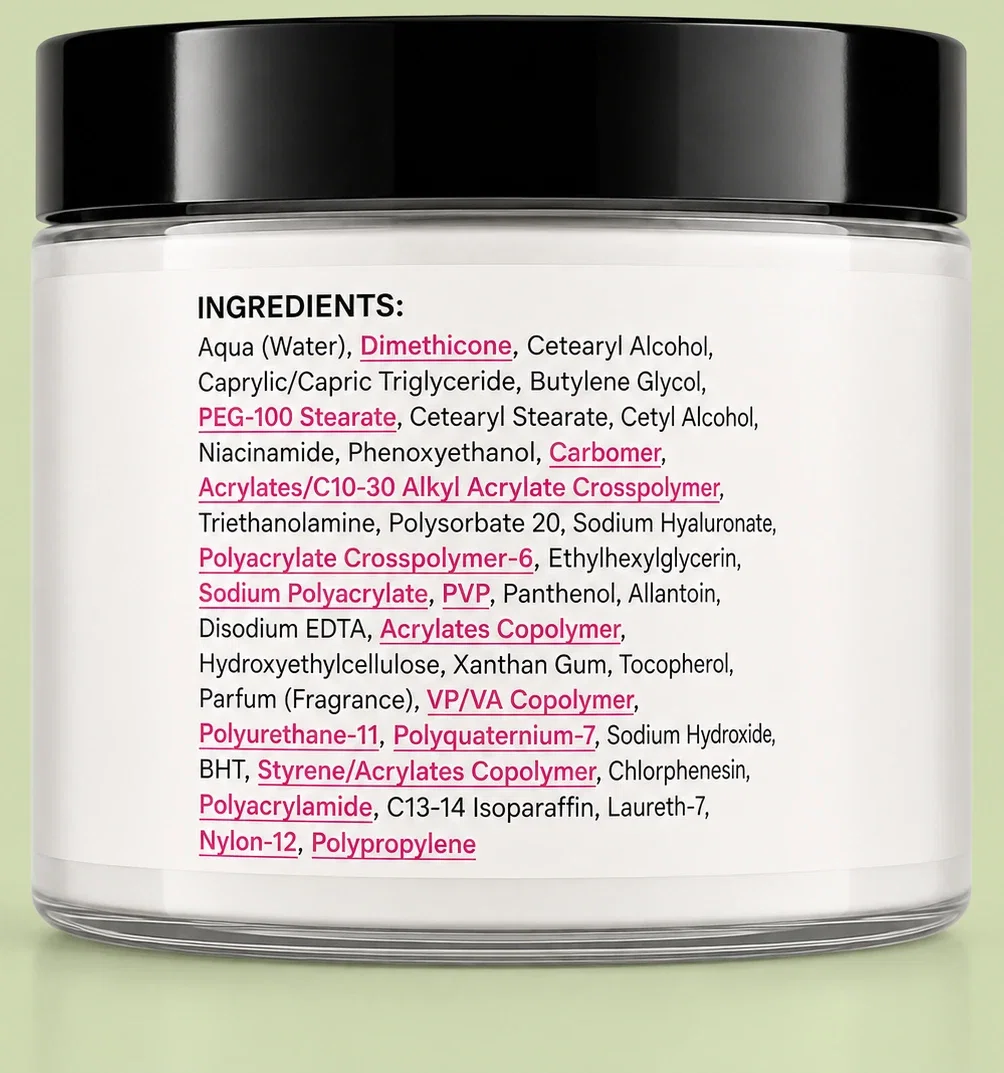
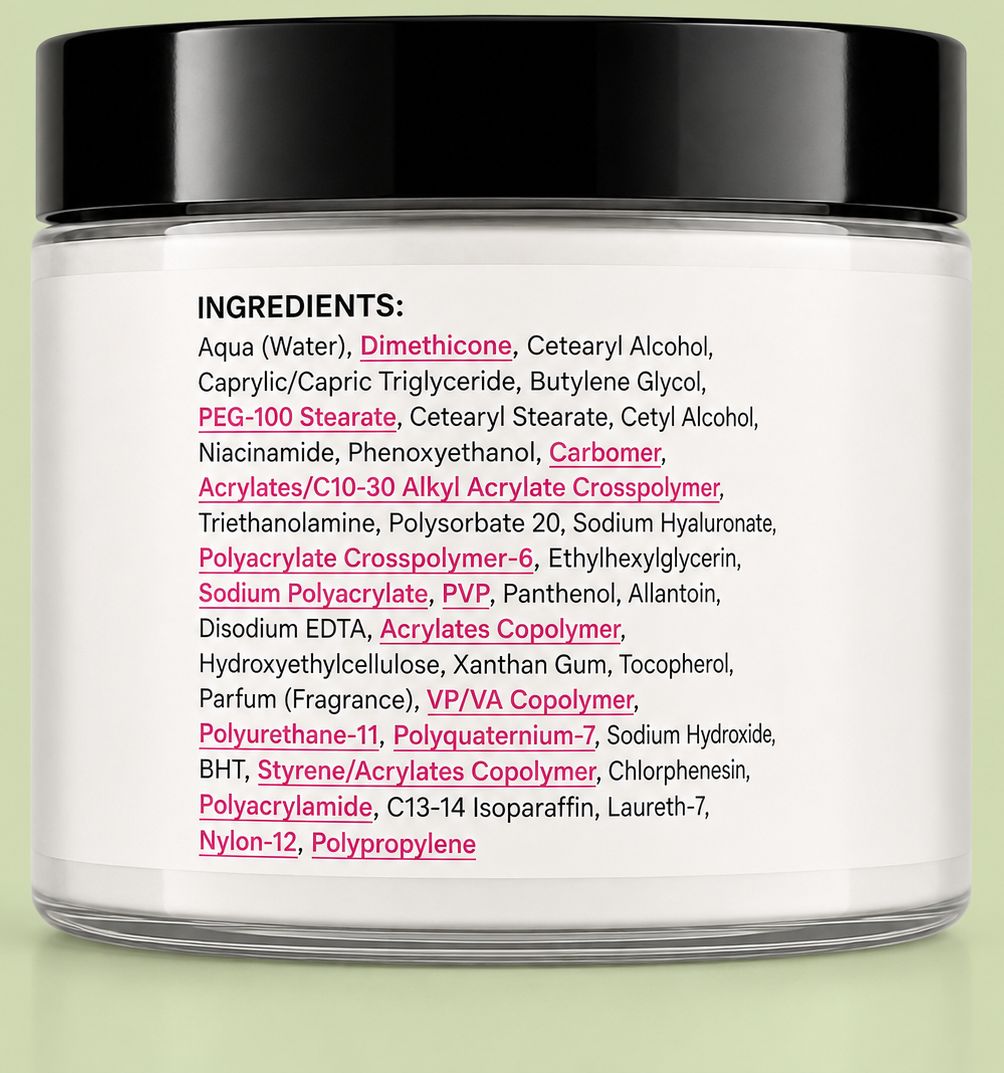
CHECK YOUR LABELS
Liquid plastics hide in plain sight under many names. More than 500 types of liquid plastics are used in personal care products. Here's what to look for.
9/10
OF LEADING SKINCARE BRANDS USE LIQUID PLASTICS.
MOISTURIZERS CAN USE SILICONES AND SYNTHETIC POLYMERS (AKA LIQUID PLASTICS). WE DON’T!
40M
TONS OF PLASTIC-BASED POLYMERS ARE PRODUCED EVERY YEAR; THAT'S THE EQUIVALENT OF 39 FOOTBALL STADIUMS FILLED TO THE BRIM.
NOT SUSTAINBALE
LIQUID PLASTICS DO NOT BIODEGRADE. INSTEAD, THEY ACCUMULATE IN OUR OCEANS, DRINKING WATER, AND FOOD CHAINS.

DR. FRANKLIN'S HELL NO! LIST
six to leave on the shelf
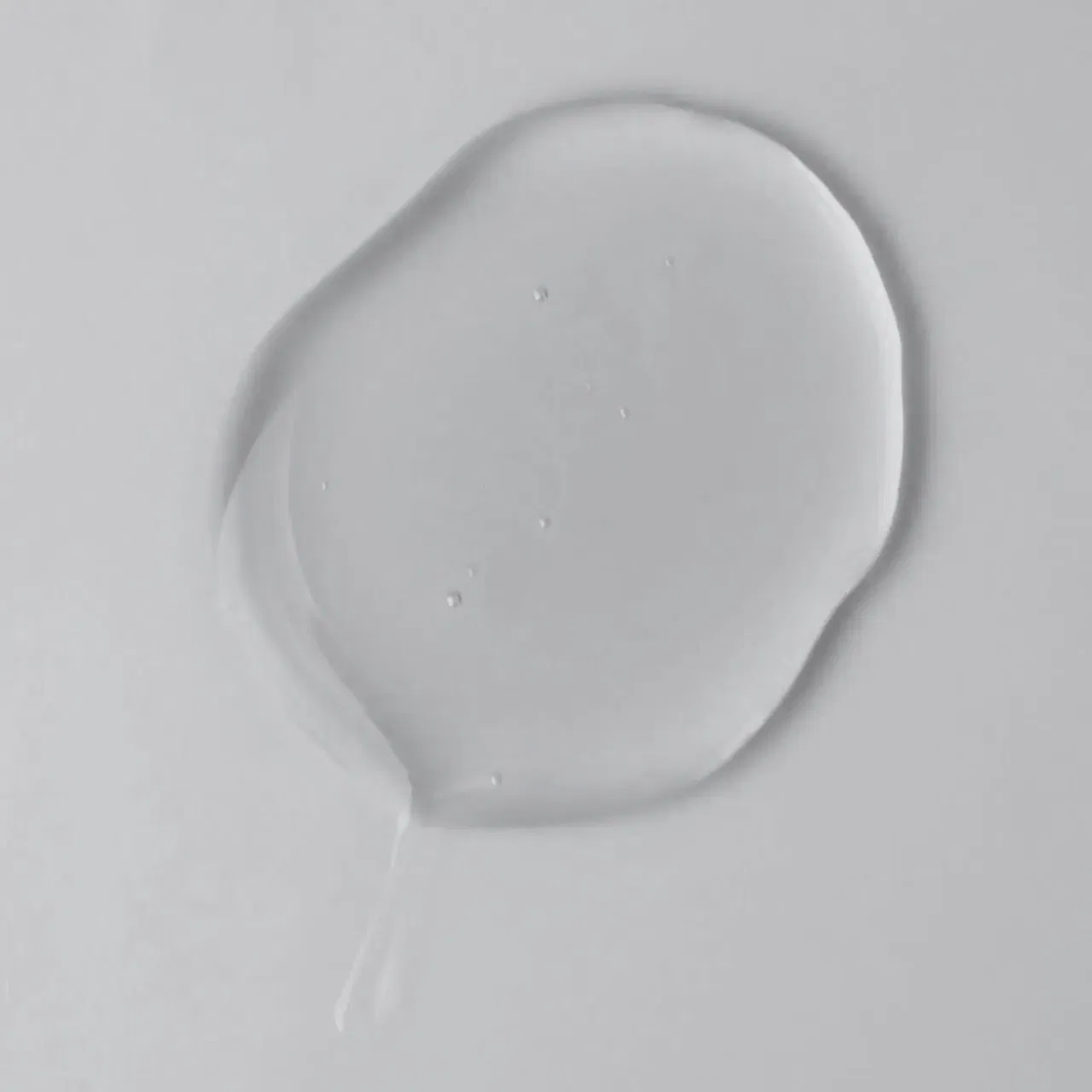
silicones and siloxanes
REJECTED
Silicones, like dimethicone, are commonly used in moisturizers to create a smooth feel. Many silicones and some siloxanes, including D4 and D5, are not biodegradable. Some siloxanes have also been studied for potential endocrine effects. MDERM is formulated without silicones or siloxanes, relying instead on B-silk™ to deliver breathable hydration and a true silk-like feel.
On labels: dimethicone or ingredients ending in “-cone” or “-siloxane."
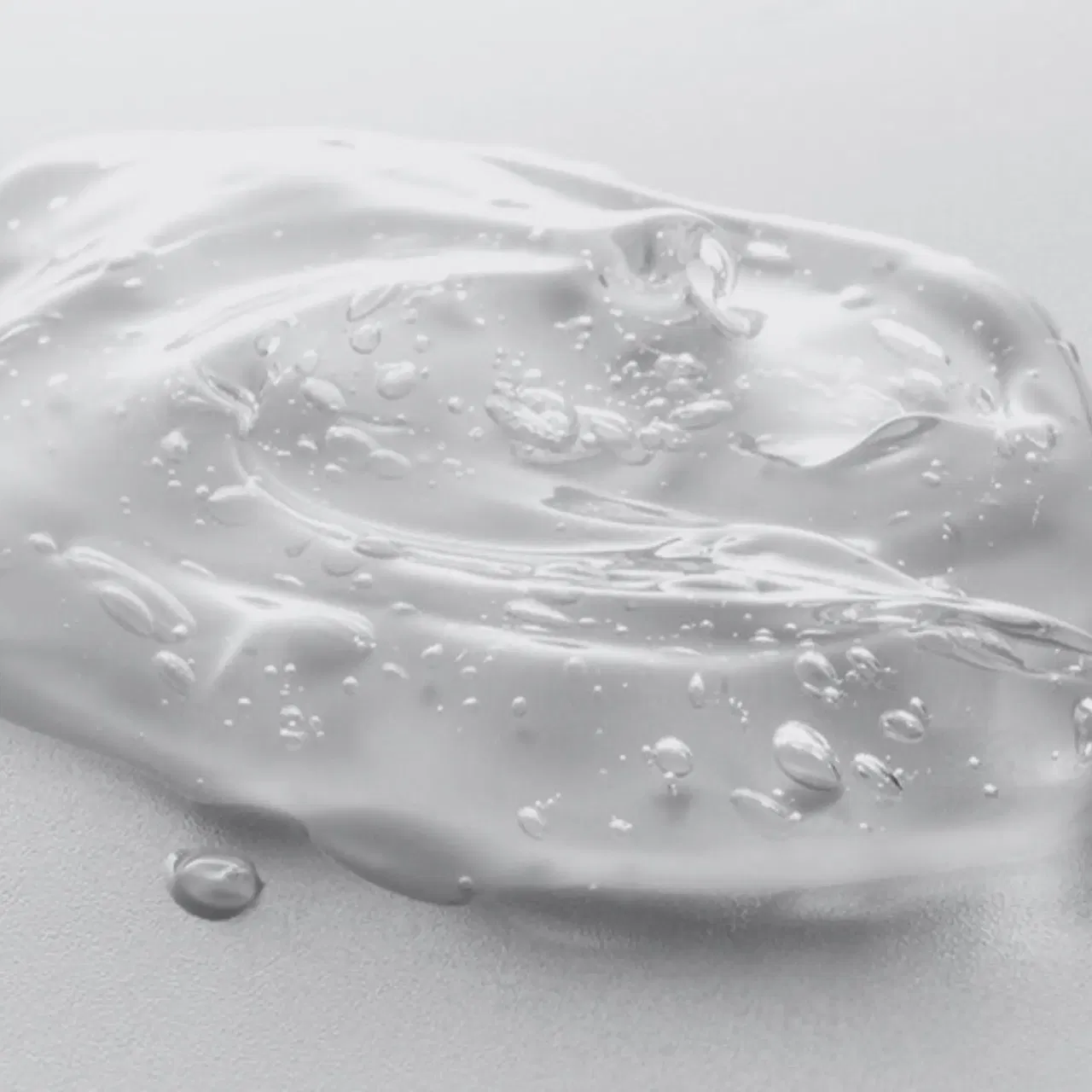
Carbomer
REJECTED
Carbomer is one of the most commonly used synthetic polymers in skincare. Derived from petroleum, it is primarily used to thicken creams. Because carbomers biodegrade slowly or not at all, they have raised environmental concerns. In addition, some carbomers have historically been manufactured using benzene, prompting current guidance encouraging manufacturers to transition to alternative production methods.
On labels: carbomerS
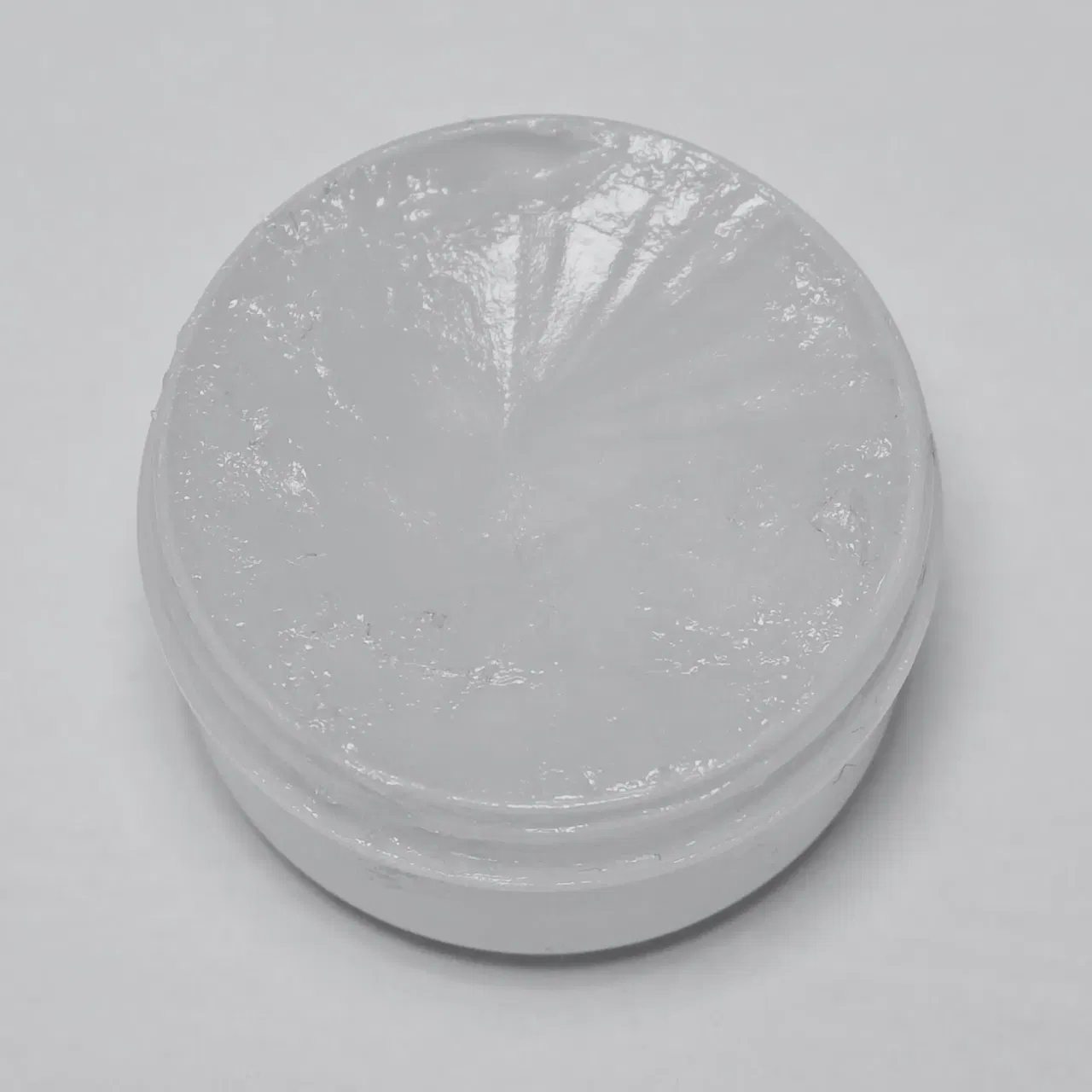
Petrolatum
petroleum crude
REJECTED
Petrolatum is a petroleum-derived ingredient commonly used in moisturizers because it forms a highly occlusive barrier that helps reduce moisture loss. We do not formulate with petrolatum. Instead, we use plant-derived oils, squalane, B-silk™, and ceramides to provide breathable hydration without relying on petroleum-derived ingredients.
On labels: petrolatum
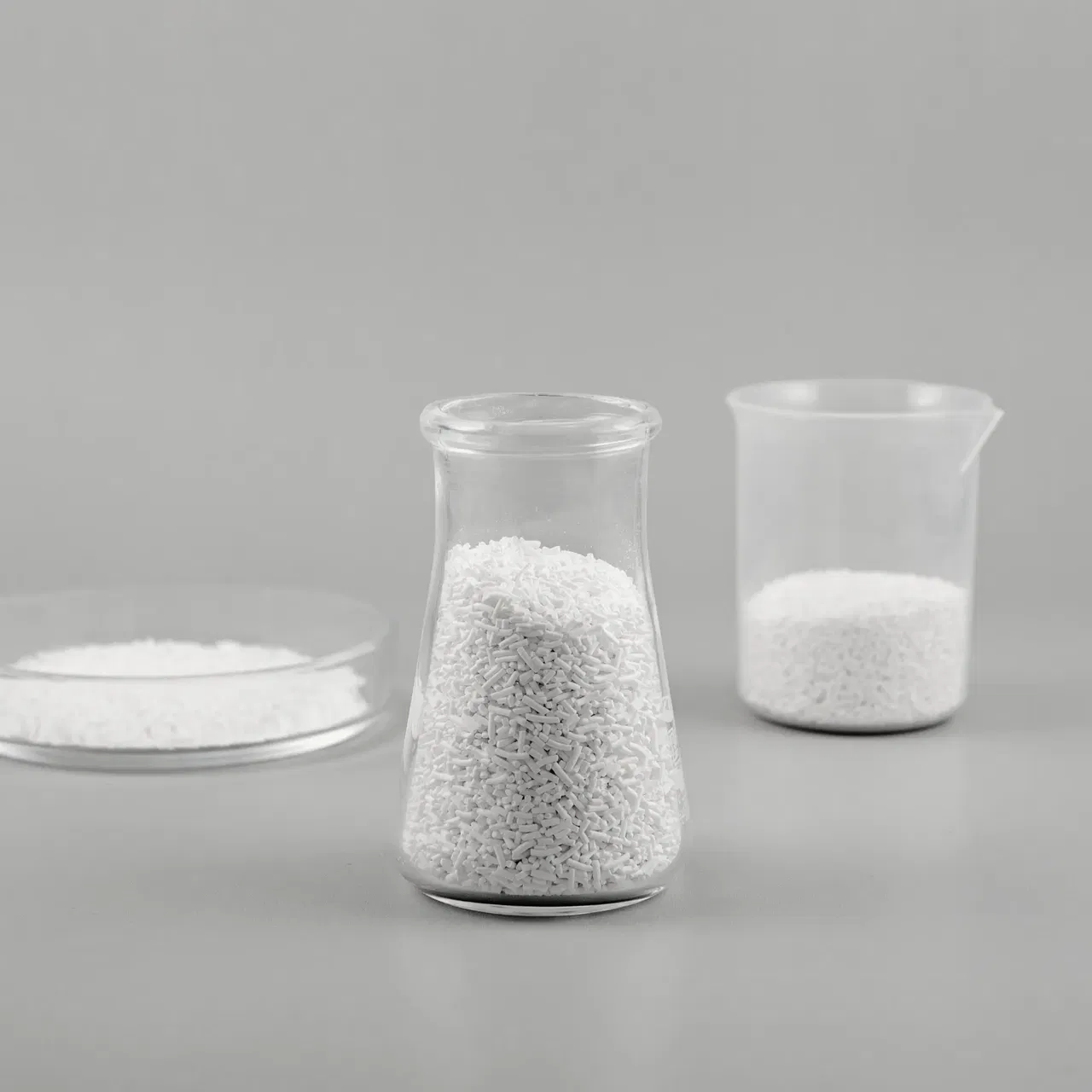
Parabens
preservative
REJECTED
Parabens are preservatives used in cosmetics to prevent the growth of bacteria, yeast, and mold. Some parabens have shown weak estrogen-like activity in laboratory studies and continue to be evaluated for potential endocrine effects. We chose a different approach, formulating MDERM with an alternative preservation system that doesn't include parabens.
On labels: methylPARABEN, PROPYLPARABEN, BUTYLPARABEN, ETHYLPARABEN
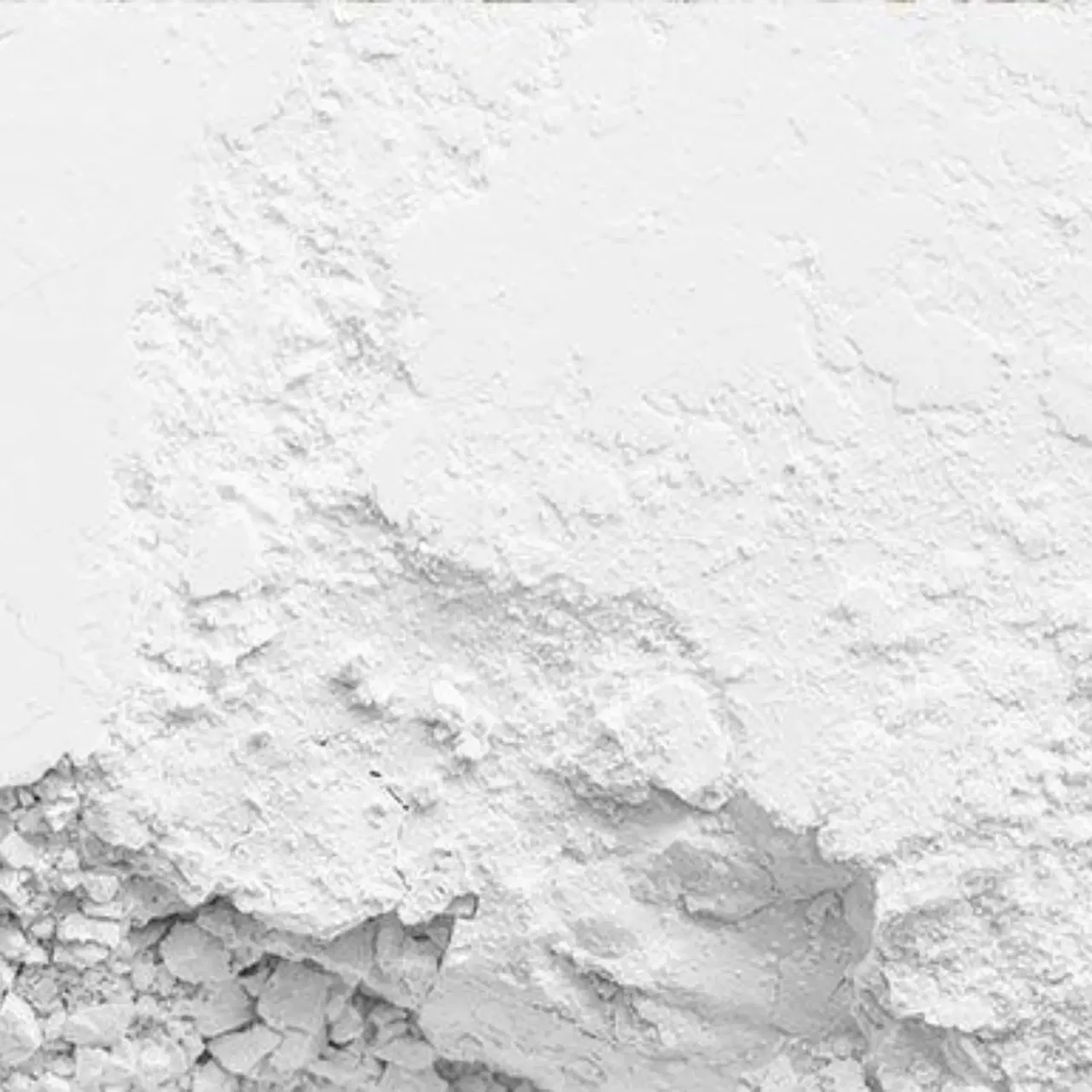
Phthalates
hormone disruptor
REJECTED
Phthalates are used in some personal care products, including certain fragrance formulations. Because fragrance formulas are proprietary, labels may list only “fragrance” or “parfum.” Some phthalates have been identified as endocrine-active chemicals, and several have been restricted in cosmetics in the European Union. MDERM is formulated without phthalates and is unscented.
On labels: ingredient NAMES containing “phthalate”. Fragrance/parfum may also contain undisclosed phthalate ingredients.

ACRYLATES
harsh surfactant
REJECTED
Acrylates are petrochemical-derived synthetic polymers used to thicken cosmetics and improve texture. Many aren't biodegradable, raising environmental concerns about what happens after they wash down the drain. Instead of acrylates, our moisturizer uses plant-derived oils, B-silk™, and skin-conditioning lipids for breathable hydration with a naturally elegant feel.
On labels: ACRYLATES COPOLYMER, ACRYLATE CROSSPOLYMER, AND OTHER INGREDIENTS THAT CONTAIN THE NAME "ACRYLATES."
DR. FRANKLIN'S HELL NO! LIST
six to leave on the shelf
silicones and siloxanes
REJECTED
Silicones, like dimethicone, are commonused in moisturizers to create smooth feel. Many silicones and some siloxanes, including D4 and D5, are not biodegradable. Some siloxanes havealso been studied for potential endcrine effects. MDERM is formulated without siliocnes or siloxanes, relying instead on B-silk™ to diver breathable hydration, and a true silk feel.
On labels: dimethicone, cyclomethicone, "-siloxane," "-cone"
Carbomer
REJECTED
Carbomer is one of the most commonly used synthetic polymers in skincare. Derived from petroleum, it is pimarily used to thicken creams. Becaus carbomers biodegrade slowly or not at all, they have raised environmetal concerns. In addition, some arbomers have been historically manufactured using benzene, prompting curent guidance encouraging manufactures to transition to aternative production methods.
On labels: carbomer, acrylates copolymer/crosspolymer
Petrolatum
petroleum crude
REJECTED
Petrolatum is a petroleum-derived ingredient commonly used in moisturizers because it forms a highly occlusive barrier that helps reduce moisture loss. We did not formulate with petrolatum. Instead, we use plant-derived oils, squalane, B-silk™, and ceramides to provide breathable hydration without relying on petroleum derived ingredients.
On labels: petrolatum, petroleum jelly, mineral oil
REJECTED
PARABENS
Parabens are preservatives used in cosmetics to prevent growth of bacteria yeast, and mold. Some parabens have shown weak estrogen-like activity in laboratory studies and continue to be evaluated for potential endocrine effects. We chose a different approach, formulating MDERM with an alternative preservation system that doesn't include parabens.
On labels: methyl-, propyl-, butyl-, ethylparaben
Phthalates
hormone disruptor
REJECTED
Phthalates have been used in some personal care products, including certain fragrance formualtions. Because fragrance formulas are proprietary, labels may list only "Fragrance" or "Parfum". Some phthalates have been identified as endocrine-active chemicals, and several have been retricted in cosmetics in the European Union. MDERM is formulated with phthalates and is unscented.
On labels: phthalate, DEP, DBP, or just "fragrance/parfum"
ACRYLATES
REJECTED
Acrylates are petrochemical-derived synthetic polymers used to thicken cosmetics and improve texture. Many aren't biodegradable, raising environmental concerns about what happens after they wash down the drain. Instead of acryaltes, our moisturizer uses plant-derived oil, B-silk™, and skin-conditioning lipids instead, for breathable hydration with a naturally elegant feel.
On labels: sodium lauryl/laureth sulfate (SLS/SLES)
DR. FRANKLIN'S HELL NO! LIST
six to leave on the shelf
silicones and siloxanes
REJECTED
Silicones, like dimethicone, are commonly used in moisturizers to create a smooth feel. Many silicones and some siloxanes, including D4 and D5, are not biodegradable. Some siloxanes have also been studied for potential endocrine effects. MDERM is formulated without silicones or siloxanes, relying instead on B-silk™ to deliver breathable hydration and a true silk feel.
On labels: dimethicone, cyclomethicone, "-siloxane," "-cone"
Carbomer
REJECTED
Carbomer is one of the most commonly used synthetic polymers in skincare. Derived from petroleum, it is pimarily used to thicken creams. Becaus carbomers biodegrade slowly or not at all, they have raised environmetal concerns. In addition, some arbomers have been historically manufactured using benzene, prompting curent guidance encouraging manufactures to transition to aternative production methods.
On labels: carbomer, acrylates copolymer/crosspolymer
Petrolatum
petroleum crude
REJECTED
Petrolatum is a petroleum-derived ingredient commonly used in moisturizers because it forms a highly occlusive barrier that helps reduce moisture loss. We did not formulate with petrolatum. Instead, we use plant-derived oils, squalane, B-silk™, and ceramides to provide breathable hydration without relying on petroleum derived ingredients.
On labels: petrolatum, petroleum jelly, mineral oil
REJECTED
PARABENS
Parabens are preservatives used in cosmetics to prevent growth of bacteria yeast, and mold. Some parabens have shown weak estrogen-like activity in laboratory studies and continue to be evaluated for potential endocrine effects. We chose a different approach, formulating MDERM with an alternative preservation system that doesn't include parabens.
On labels: methyl-, propyl-, butyl-, ethylparaben
Phthalates
hormone disruptor
REJECTED
Phthalates have been used in some personal care products, including certain fragrance formualtions. Because fragrance formulas are proprietary, labels may list only "Fragrance" or "Parfum". Some phthalates have been identified as endocrine-active chemicals, and several have been retricted in cosmetics in the European Union. MDERM is formulated with phthalates and is unscented.
On labels: phthalate, DEP, DBP, or just "fragrance/parfum"
ACRYLATES
REJECTED
Acrylates are petrochemical-derived synthetic polymers used to thicken cosmetics and improve texture. Many aren't biodegradable, raising environmental concerns about what happens after they wash down the drain. Instead of acryaltes, our moisturizer uses plant-derived oil, B-silk™, and skin-conditioning lipids instead, for breathable hydration with a naturally elegant feel.
On labels: sodium lauryl/laureth sulfate (SLS/SLES)

What goes down the drain
doesn't just disappear.
Many of silicones and synthetic polymer ingredients commonly used in traditional moisturizers are non-biodegradable or poorly biodegradable.
These ingredients are commonly used as film formers, thickeners, stabilizers, emulsifiers, and texture enhancers in skincare formulations. Every time they are rinsed off in the shower or at the sink, they enter household wastewater, where they may ultimately reach the environment.
WHAT GOES DOWN THE DRAIN
DOESN'T JUST DISSAPEAR
The majority of synthetic polymer ingredients commonly used in traditional moisturizers are non-biodegradable or poorly biodegradable.
These ingredients are commonly used as film formers, thickeners, stabilizers, emulsifiers, and texture enhancers in skincare formulations. Every rinse sends these ingredients into household wastewater, where they may ultimately enter the environment.